
Secure Cleaning Services for Correctional Facilities, Sheriff’s Departments, and Law Enforcement
FACILITIES > LAW ENFORCEMENT
Correctional facilities and sheriff’s department buildings operate in demanding environments where cleanliness, safety, and operational control directly affect staff, inmates, visitors, and daily operations. These facilities experience constant foot traffic, 24-hour activity, and strict security requirements that make commercial cleaning far more complex than traditional office environments. Cleaning programs for detention centers, county jails, sheriff’s headquarters, and correctional facilities must support sanitation goals while also aligning with strict security protocols and operational procedures.
Municipal and government facilities require cleaning providers that understand how to work in controlled environments without disrupting critical operations. From secure holding areas to administrative offices and medical units, every part of the facility must be cleaned according to established procedures that support health, safety, and compliance standards. Cleaning teams must also be prepared to work around restricted access areas, scheduled inmate movement, law enforcement activity, and emergency response operations.
Turning everyday spaces into brilliant success stories.
What Areas Require Cleaning in a Correctional Facility?
Sheriff’s buildings and correctional facilities contain a wide range of spaces that require ongoing cleaning and disinfection services. Each area presents different sanitation challenges and operational requirements.
Commonly serviced areas include:
- Intake and booking areas
- Holding cells and inmate housing units
- Administrative offices
- Sheriff and deputy workspaces
- Public lobbies and reception areas
- Visitation rooms
- Court holding areas
- Hallways and stairwells
- Restrooms and locker rooms
- Medical clinics and healthcare units
- Breakrooms and cafeterias
- Training rooms and conference spaces
- Evidence storage support areas
- Fitness rooms and staff wellness areas
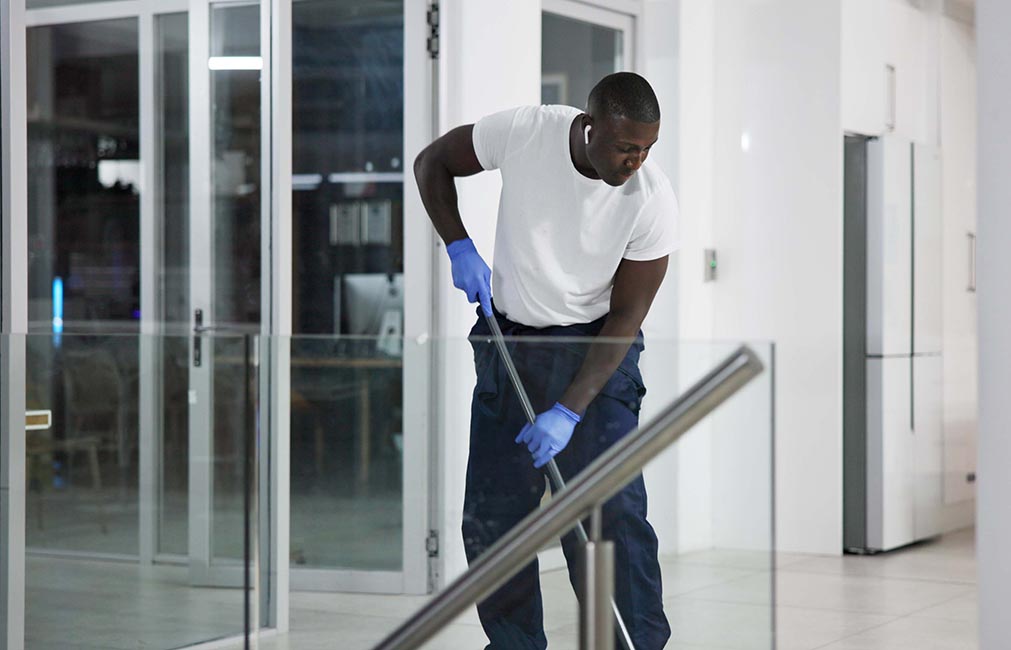
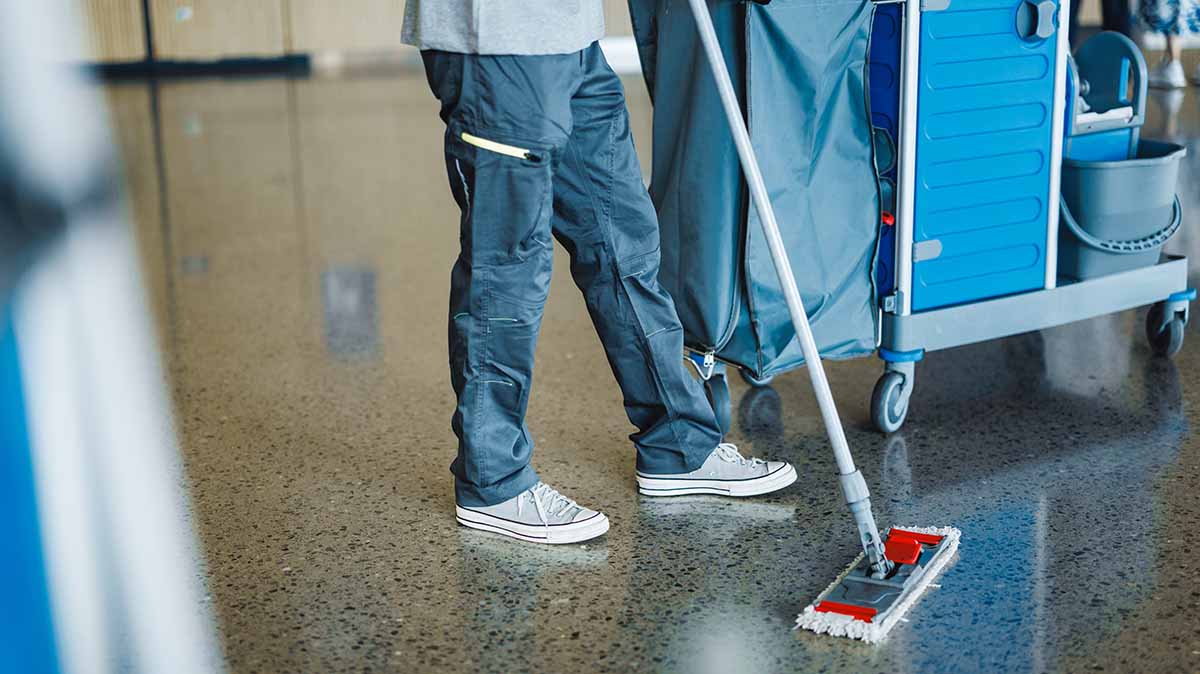
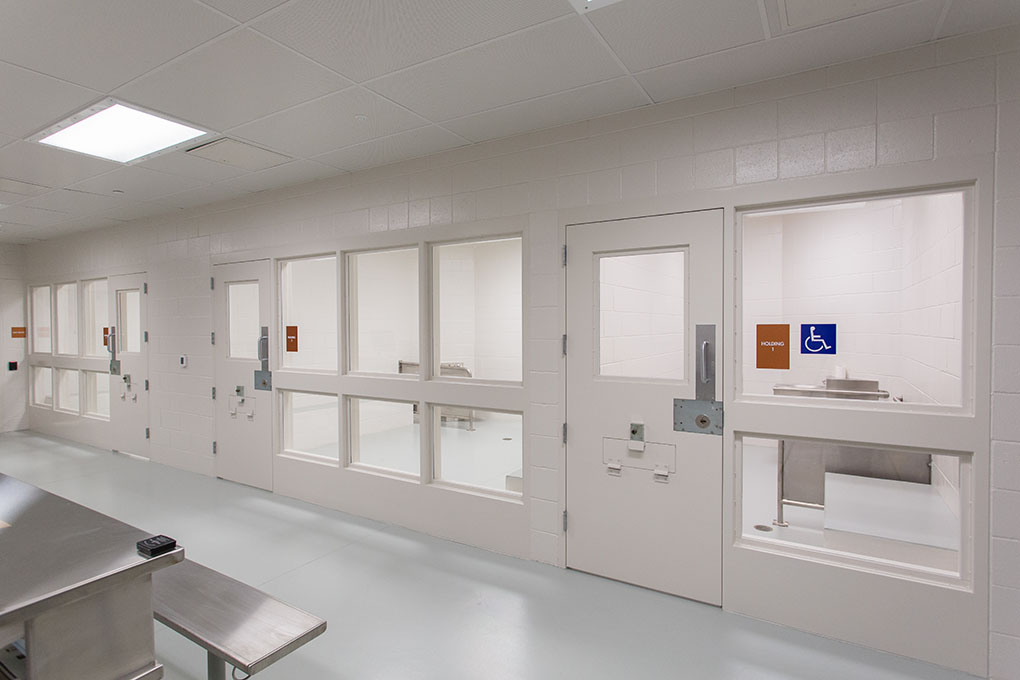
Medical and healthcare spaces inside correctional facilities also demand specialized cleaning protocols. These areas may require specific procedures for handling bloodborne pathogens, responding to biohazards, and using extra cleaning methods to help prevent infections.
Why Is Security Awareness Important in Correctional Facility Cleaning?
Security is one of the most important parts of cleaning within a sheriff’s department or correctional environment. Cleaning personnel work inside active law enforcement and detention operations where safety and situational awareness are essential.
Cleaning crews must follow strict access procedures, identification requirements, tool accountability policies, and movement restrictions throughout the facility. Even routine cleaning tasks may require coordination with facility staff to avoid disrupting inmate movement schedules, investigations, booking procedures, or emergency operations.
Teams working inside correctional facilities are often trained to recognize security risks, follow emergency response procedures, and maintain awareness of restricted items and controlled access areas. Cleaning providers must understand how to operate professionally within highly structured environments while maintaining confidentiality and respecting operational protocols.
Clearance and Background Requirements for Cleaning Staff
Before allowing cleaning personnel onsite, government and correctional facilities typically conduct extensive screening. Background checks and clearance requirements vary depending on the facility, security level, and jurisdiction.
Many sheriff’s departments and detention centers require the following:
- Criminal background checks
- Fingerprinting
- Identity verification
- Security orientation and training
- Facility access authorization
- Drug screening
- Ongoing compliance reviews
Some facilities may also require additional screening for access to restricted areas or sensitive operations. Cleaning personnel may need escorts in certain locations or limited access credentials, depending on the nature of the facility.
Professional cleaning providers that specialize in municipal and government environments often maintain structured hiring and training programs designed to support these security expectations. This helps facilities maintain greater operational confidence while reducing risks associated with unauthorized access or policy violations.
Specialized Cleaning Programs Support Health, Safety, and Operational Reliability in Correctional Facilities
Specialized Cleaning Procedures for Correctional Environments
Correctional facilities operate continuously, which means cleaning programs must often be flexible enough to support daytime, overnight, and emergency response cleaning schedules. Cleaning procedures may vary depending on inmate activity levels, housing capacity, healthcare needs, and operational priorities.
Specialized services often include:
- High-touch surface disinfection
- Restroom sanitation
- Biohazard cleanup support
- Infection prevention cleaning
- Floor care and maintenance
- Waste removal
- Odor control
- Deep cleaning services
- Emergency spill response
- Healthcare area disinfection
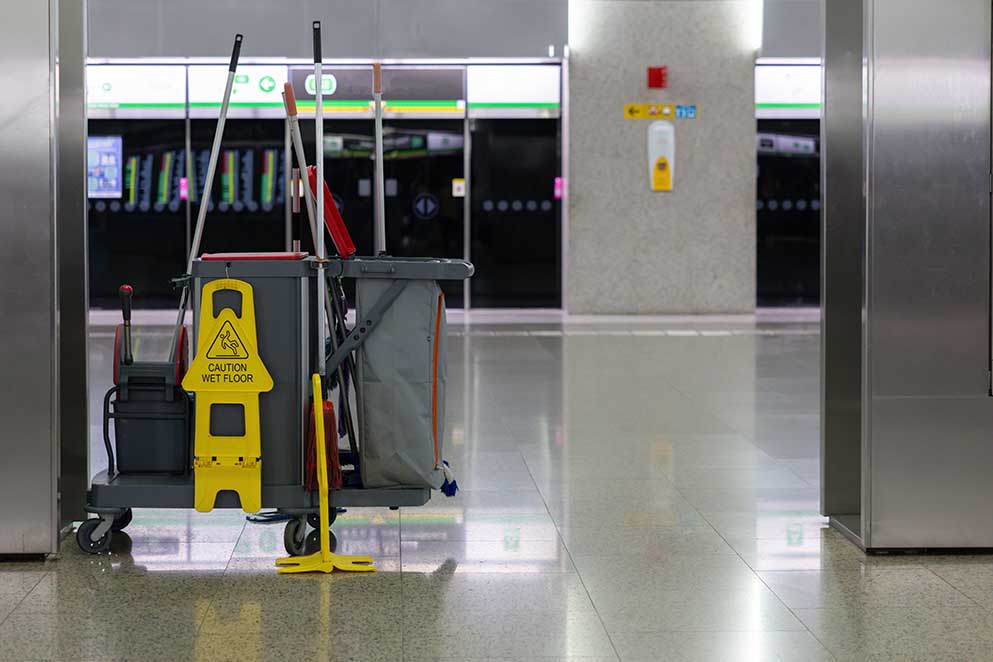
Cleaning teams must also use products and procedures that align with facility safety guidelines. Approval may be necessary for certain chemicals, tools, and equipment before bringing them into secure areas.
Consistency is critical in correctional facility cleaning because sanitation issues can escalate quickly in high-occupancy environments. Structured cleaning schedules and documented procedures help support cleaner and safer facilities for staff and occupants alike.
Supporting Health and Safety in Municipal Facilities
Sheriff’s departments and correctional facilities serve critical public safety functions within local communities. Maintaining clean environments helps support staff wellness, operational continuity, and healthier indoor conditions throughout the facility.
Poor sanitation conditions can contribute to illness outbreaks, unpleasant working conditions, and increased operational disruptions. Regular cleaning and disinfection help reduce these risks while supporting a more professional and secure environment for employees and visitors.
Municipal and government facility cleaning providers must also understand the importance of reliability and responsiveness. These facilities cannot pause operations for cleaning delays or staffing shortages. Consistent staffing, strong communication, and detailed cleaning procedures all play important roles in maintaining service quality within correctional environments.
Experience Matters in Government Facility Cleaning
Cleaning a correctional facility requires more than standard janitorial experience. Providers must understand how to work within secure government environments while following strict operational procedures and safety standards.
Experienced municipal cleaning companies develop training programs focused on security awareness, compliance, sanitation procedures, and communication protocols that align with government facility expectations. This level of preparation helps support safer operations while reducing disruptions to law enforcement and detention activities.
As correctional facilities continue prioritizing health, sanitation, and operational efficiency, professional cleaning programs remain an important part of maintaining safe and functional government environments.
Turning everyday spaces into brilliant success stories.
Frequently Asked Questions
What areas are cleaned in a correctional facility?
Cleaning services often include inmate housing areas, intake and booking spaces, visitation rooms, administrative offices, medical clinics, restrooms, hallways, breakrooms, and public access areas.
Do cleaning workers need background checks to work in sheriff’s facilities?
Yes. Most sheriff’s departments and correctional facilities require criminal background checks, identity verification, fingerprinting, and other security screenings before granting facility access.
Why is correctional facility cleaning different from standard office cleaning?
Correctional facilities operate in highly secure environments with strict access controls, continuous occupancy, healthcare concerns, and increased sanitation requirements that demand specialized cleaning procedures.
What type of cleaning is required in correctional medical areas?
Medical units may require enhanced disinfection, biohazard procedures, bloodborne pathogen protocols, and infection prevention cleaning practices to support healthcare sanitation standards.
Can cleaning crews work around active correctional operations?
Yes. Experienced government facility cleaning providers coordinate with facility personnel to work around inmate movement schedules, security procedures, and ongoing law enforcement operations safely and efficiently.
Interested in working for Servicon?
Interested in learning more about our services?
Facilites We Serve
Comprehensive facility cleaning and maintenance services for complex, high-security, and mission-critical environments.